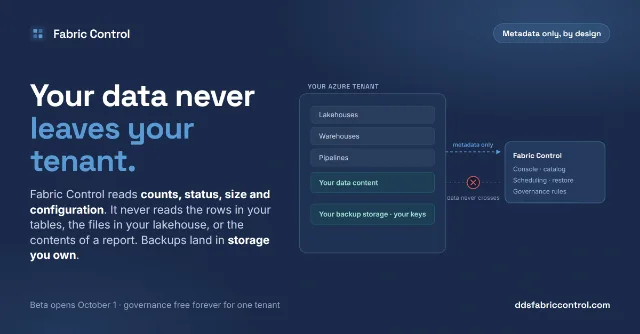
Free Microsoft Fabric governance for one tenant: one view of every workspace, and how to get it
What Fabric Control's free governance tier shows for one Azure tenant (health, capacity, refresh outcomes, drift and who has access) and how to get it.

What we have learned building on Microsoft Azure, Microsoft Fabric and Power BI, written down: architecture, migration, governance and analytics. New articles are added regularly.
33 articles
What Fabric Control's free governance tier shows for one Azure tenant (health, capacity, refresh outcomes, drift and who has access) and how to get it.
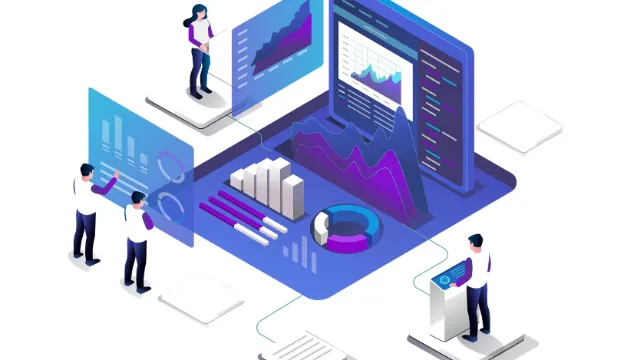
Managed BI solved a real problem: who keeps reporting alive after go-live. Why the staffed model failed, and what changes when the platform does the work.

Why manual governance decays between audits, and how governance by design encodes standards, enforces them continuously and captures lineage as data moves.

Why the billable hour works against clients in data work, and what changed when we replaced it with a platform that sells durable capability, not time.

How to migrate SSIS to Azure: assess the estate first, pick lift-and-shift, re-engineering or retirement per package, then migrate in validated waves.

What to watch in Microsoft Fabric capacity: utilization trends, consumption by workload, throttling, bursting and cost, so you act before users notice.

How to evaluate a pharmacy or healthcare data platform on compliance, data lineage and governance, with the questions to ask a vendor before you commit.

How a traditional data warehouse and a lakehouse operational data store differ on structure, data variety and freshness, and when each one, or both, fits.

What agent-operated data infrastructure means: agents build, maintain, monitor and govern the data lifecycle while senior practitioners own the outcome.

What a data control plane for Microsoft Fabric does: capacity monitoring, event stream observability and governance in one view, and when an estate needs one.

What makes a data platform AI-native: agents run the data lifecycle under senior practitioners, how that differs from BI consulting, and the caveats to check.

What poor data management costs, the signs of a data problem, and five steps to fix it: audit, governance, integration, quality processes and monitoring.

Why scattered data leaves businesses blind, where analytics pays off in customers, operations, finance and risk, and what to look for in a data partner.

How AI changes business intelligence: faster analysis, machine learning that flags anomalies, insight from unstructured data, and automation of routine work.

The Power BI August 2025 update: Copilot and natural language features, semantic model refresh templates, org apps, APIs and embedding, and new visuals.

Steps to better Power BI data visualization: pick key metrics, design interactive dashboards, use custom visuals and AI, optimize for mobile and train users.

What Azure Data Lake is, how its Store and Analytics components work, and its features: scalable storage, real-time processing, security and integration.

Azure and AWS compared on services, pricing, scalability, global infrastructure, hybrid cloud, machine learning and support, with the pros and cons of each.

Why businesses choose Microsoft Azure: Microsoft product integration, familiar developer tools, global data centers, security and compliance, and scaling.
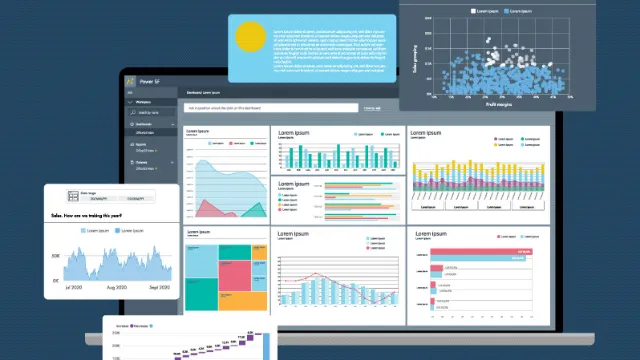
What a Power BI release added: a new format pane, easier navigators, an Azure Synapse connector, a Google Sheets connector and new AppSource visuals.

How BI and analytics tools speed up decisions, improve operations, create a single source of truth and predict opportunities, and what sets Power BI apart.

What Azure Data Factory is and how to use it: create a data factory, define datasets, linked services and activities, then schedule and monitor pipelines.

How Power BI helps a business turn data into decisions: interactive dashboards, data modeling, custom visuals, hundreds of data sources and cost analysis.

What IaaS, SaaS, PaaS and XaaS each provide, with example providers for the first three, and how the cloud service models compare and build on each other.
Why software vendors embed analytics in their applications, the challenges of building analytics in-house, and what Power BI offers as an embedded option.
A three-step guide to moving SSIS projects to Azure Data Factory: assess your packages, prepare the Azure environment, then convert and adjust the packages.

Tips for Black Friday posts on Facebook: eye-catching visuals, urgency and giveaways, plus how to use post analytics and comments to refine your campaigns.

The pros and cons of Azure Data Lake: scalability, Azure integration, security and pay-as-you-go cost, weighed against complexity, governance and performance.

How Power BI improves productivity: dashboards enriched with Excel, Power Apps and Visio content, embedded in Teams or SharePoint, or exported to PowerPoint.

Why so much big data goes unused, and a look at analytics tools that can help: Azure HDInsight, SAP Analytics Cloud, Apache Hadoop and MongoDB for analytics.

Why Microsoft Azure leads in hybrid cloud: its on-premises roots, support for connecting datacenters to the cloud, and PaaS tools for application developers.

Why migrate to Microsoft Azure: little upfront capital, consumption pricing, easier SQL Server integration, and why a migration assessment comes first.

What Power BI offers: Power BI Desktop, the Power BI service in Pro and Premium, and mobile apps, so non-technical users can analyze and share their data.
A platform to build, a migration to plan, or one of our products to evaluate. It starts with a conversation, and you get a scope and a flat fee before any work starts.